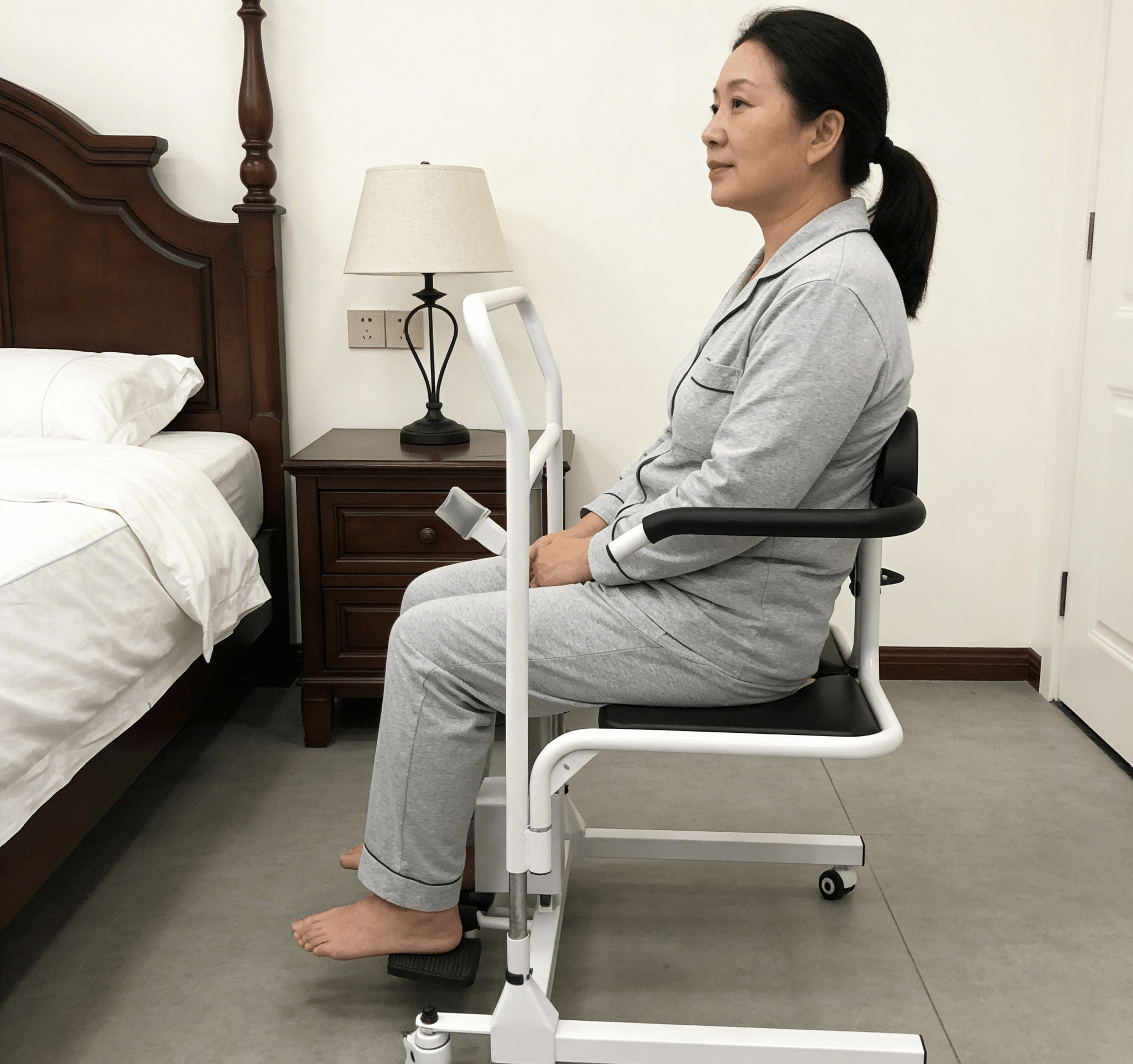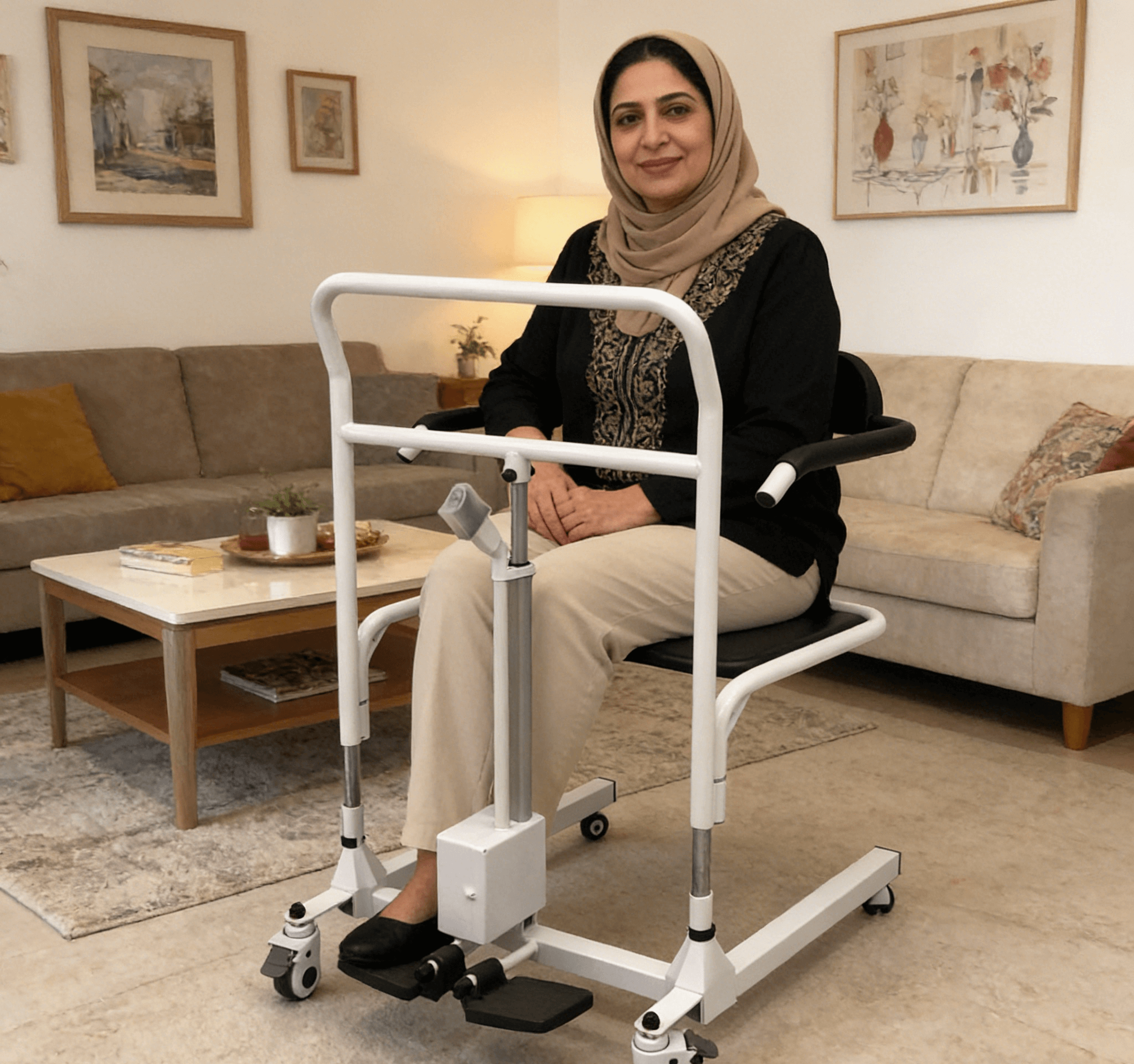
Category: power lift chairs
Posted by 2025-12-16 10:12
hoyer lift dme
Is a Hoyer Lift Classified as DME? A Detailed Explanation of Its Eligibility as Durable Medical Equipment and Reimbursement Pathways
When doctors recommend equipping a Hoyer Lift for a disabled family member, many families will encounter a professional term: DME (Durable Medical Equipment). This is not just a categorical label, but more importantly, it determines whether financial support can be obtained through medical insurance, long-term care insurance (LTCI), or commercial insurance.
So, is a Hoyer Lift classified as DME? The answer is yes—under specific conditions, Hoyer Lifts are widely recognized as qualified DME. This article will systematically explain the significance of this classification, the prerequisites for reimbursement, and the operational process to help you legally and compliantly reduce your financial burden.
I. What Is DME? Why Does a Hoyer Lift Qualify?
DME (Durable Medical Equipment) refers to medical assistive devices that meet all five of the following core criteria:
Used for medical purposes (e.g., assisting with transfers, preventing injuries);
Primarily used at home (not limited to hospitals);
Reusable (not disposable consumables);
Has a relatively long service life (usually ≥ 3 years);
Necessary for specific diseases or functional impairments.
Hoyer Lifts fully meet the above criteria:
They are used to safely transfer disabled patients, preventing back injuries in caregivers and skin damage in patients;
Designed for use in home environments;
Sturdy in structure, with a normal service life of over 5 years;
Essential for individuals who are completely bedridden, unable to bear weight, or at high risk of falling.
✅ Therefore, in systems such as U.S. Medicare, China’s Long-Term Care Insurance, and most commercial insurance plans, Hoyer Lifts are explicitly classified as DME.
II. The Practical Significance of DME Classification: More Than Just a Category—It’s the Key to Reimbursement
Once classified as DME, Hoyer Lifts become eligible to apply for the following forms of support:
U.S. Medicare Part B: Eligible individuals can have most costs covered through a rental model;
U.S. Medicaid or VA Benefits: Low-income families or veteran families may receive full funding;
China’s Long-Term Care Insurance (LTCI): Pilot cities (e.g., Shanghai, Chengdu, Qingdao) offer 50%–70% reimbursement;
Assistive Device Subsidies for Persons with Disabilities: Certified persons with disabilities can apply for special subsidies;
High-End Commercial Medical Insurance: Some plans include clauses for "home rehabilitation equipment."